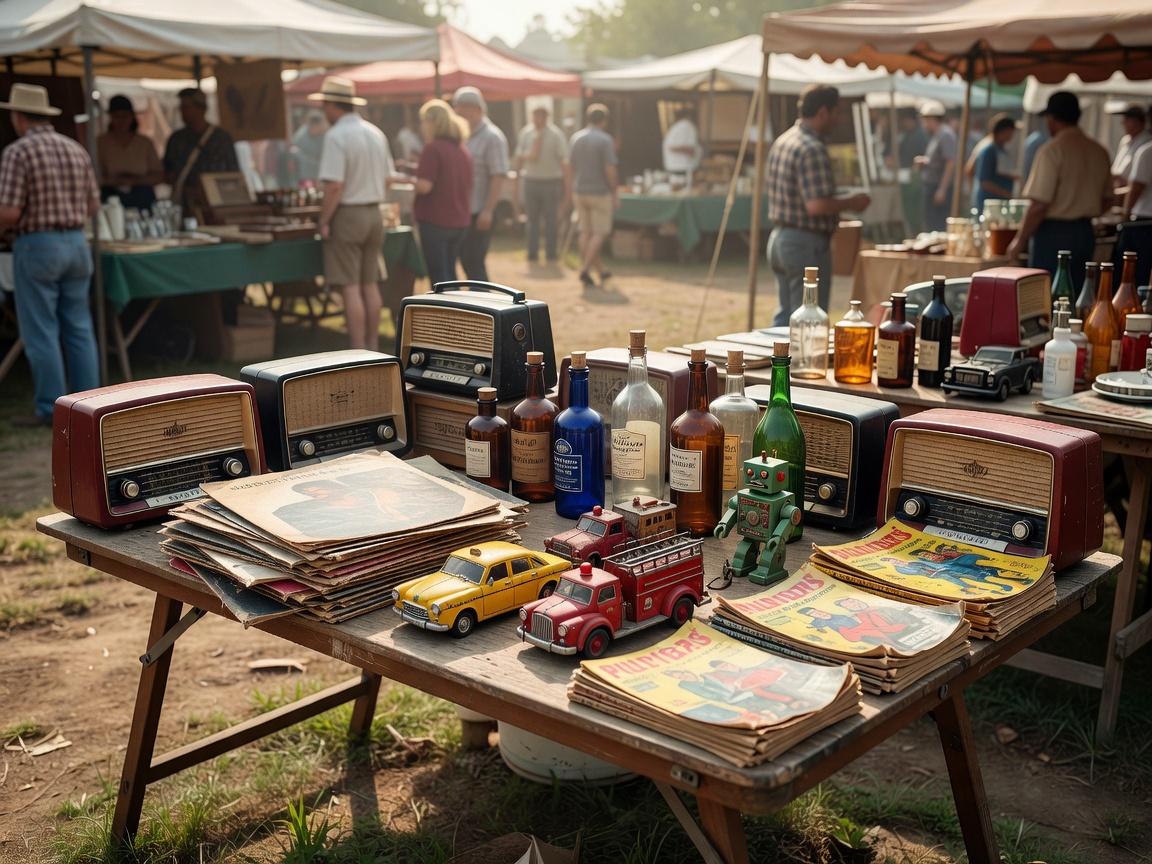
Navigating a sprawling weekend flea market without a strategy is like searching for gold without a map. Whether you are hunting for 1970s selvage denim, art deco brass lamps, or rare vinyl records, success depends on timing, cash preparation, and vendor relationships.
1. Timing Your Arrival: Early Bird vs. Closing Hour
The golden rule of flea market hunting: the rarest items are sold before sunrise, but the best bargains are struck 30 minutes before closing time.
- 5:30 AM - 7:00 AM (The Dealer Hours): Arrive with a flashlight as vendors unbox their crates. Serious pickers buy directly from boxes before items hit display tables. Expect to pay full asking price for pristine vintage items.
- 1:00 PM - 3:00 PM (Pack-Up Discounting): Vendors hate loading heavy inventory back into their vans. Offer bulk cash prices for remaining decor, glassware, and clothing racks.
💡 Master Picker Tip: Cash Is Always King
Always bring crisp small bills ($5s, $10s, and $20s). Never pull out a $100 bill when negotiating a $12 price tag. Having exact change ready seals deals 40% faster.
2. Essential Flea Market Field Gear Checklist
Every seasoned hunter carries a dedicated field bag. Never leave home without these items:
- Flexible Tailor's Tape: Tag sizes lie. Always measure garment armpits, waist, and length in real-time.
- UV Blacklight Flashlight: Detects Uranium Glass (Vaseline Glass) glow and uncovers invisible fabric repairs or dye touch-ups.
- Jeweler’s Loupe (10x Magnification): Essential for inspecting sterling silver hallmarks, gold stamps (e.g., 925, 14K, 585), and luxury watch faces.
- Heavy Duty Canvas Tote: Protect fragile ceramics and keep your hands free for sorting through clothing racks.
Check World Flea Market Directory
Verify official schedules, vendor entry fees, and parking directions via Flea Market Zone.
3. Negotiation Etiquette: Bargaining Without Offending
Negotiation at flea markets is a art form. Avoid insulting vendors by starting with lowball offers under 50% of the marked price. Instead, use soft opening phrases:
"What is your best bundle price if I take both the brass candle holders and the vintage oil painting?"
Bundling multiple low-margin items gives vendors volume and makes them far more likely to grant a 20-30% overall discount.